Urban Artists to Know: Influencers of Street Culture
Oliver Hayes ·
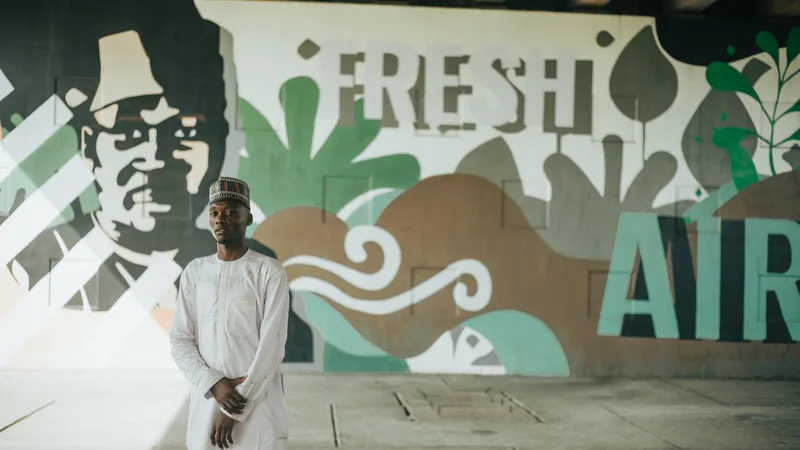
Street art has emerged as a powerful form of expression, reflecting the diverse voices and cultural narratives found in urban environments. As we explore key figures shaping this scene, we gain…
Key Figures in Street Art
Street art reflects the voices and concerns of urban communities. Among its most influential figures is Banksy, whose anonymity adds a layer of intrigue to his impactful messages. His works often critique societal norms, politics, and consumerism, making him a pivotal figure in contemporary activism. The power of his art lies in its ability to provoke thought and inspire change
Banksy: The Anonymity of Impact
Banksy has revolutionized street art by merging art with activism in a way that resonates globally. His pieces, often created overnight in public spaces, challenge the status quo and invite viewers to question their surroundings. The mystery of his identity has fueled public interest, turning his works into sought-after cultural artifacts. This unique blend of art and social commentary has solidified Banksy as a key player in the urban art movement.
Shepard Fairey: From Street to Mainstream
Shepard Fairey’s journey from street art to mainstream recognition exemplifies the potential of urban art to transcend its origins. Known for his iconic "Obey Giant" campaign, Fairey has successfully bridged the gap between grassroots art and commercial success. His work often incorporates political themes, reflecting his commitment to social justice. This evolution highlights how urban artists can navigate the complex interplay between art, commerce, and activism, paving the way for future generations.
Emerging Voices in Urban Art
The world of street art is continually evolving, with new voices rising to prominence and offering fresh perspectives. Artists like Kara Walker and Swoon redefine the narrative through their unique approaches to themes of identity, history, and community. Their works beautify urban spaces and engage with pressing social issues, making them vital contributors to the art scene. As these emerging voices gain recognition, they underscore the importance of diverse narratives in urban culture.
Kara Walker: Challenging Narratives
Kara Walker’s art confronts historical injustices, particularly around race and gender, using powerful imagery to provoke dialogue. Her silhouettes depict scenes that are both haunting and evocative, challenging viewers to reflect on uncomfortable truths. Walker’s work reminds us of the role that art can play in addressing societal issues and shaping public discourse. Through her impactful narratives, she invites audiences to engage with the complexities of history in a thought-provoking manner.
Swoon: The Power of Community Engagement
Swoon is renowned for her commitment to community-driven projects that blend art with social activism. Her intricate wheatpaste works often celebrate the human experience, focusing on themes of resilience and connection. By involving local communities in her projects, Swoon fosters a sense of ownership and pride among participants. This approach enhances the impact of her art and highlights the potential of urban art to bring people together and inspire change.
Street Art Festivals and Their Impact
Street art festivals have surged in popularity over the last decade, transforming urban landscapes into vibrant canvases and gathering spots for creativity. These events celebrate the artistic talents of local and international artists while fostering community engagement and cultural dialogue. As cities become recognized for their unique artistic expressions, festivals have become a significant component of urban culture. They serve as a bridge between artists and the public, allowing for a shared appreciation of street art.
The Rise of Street Art Festivals
The growth of street art festivals can be attributed to the increasing acceptance of street art as a legitimate form of artistic expression. Major cities now host annual events that attract thousands of visitors, eager to witness live art creation and interact with artists. These festivals often feature workshops, panel discussions, and live performances, enriching the overall experience for attendees. The impact on local economies is notable, as these gatherings draw tourism and promote local businesses, benefiting both artists and cities.
Cultural Exchange Through Art
Street art festivals serve as a platform for cultural exchange, bringing together artists from diverse backgrounds and fostering collaboration. When artists from different regions come together, they share techniques, styles, and perspectives, leading to innovative works that reflect a fusion of cultures. This collaboration promotes understanding and dialogue among different communities. As artists create murals and installations side by side, they celebrate their individuality and contribute to a collective narrative that enriches the urban environment.
The Intersection of Art and Technology
The integration of technology in street art has opened new avenues for artists to showcase their work and reach wider audiences. Digital platforms provide a space for artists to share their creations, connect with fans, and collaborate. Social media, in particular, has become an essential tool for artists to gain visibility and build their brands. This intersection of art and technology is reshaping how street art is perceived and appreciated today.
Digital Platforms for Street Artists
Digital platforms have revolutionized how street artists promote their work and engage with audiences. Websites and social media channels allow artists to share their projects instantly, reaching global audiences that were previously unattainable. These platforms enable artists to receive feedback, collaborate with other creatives, and even sell their work. The ability to connect directly with fans and patrons has empowered many artists, creating new opportunities that extend beyond the physical space of street art.
Augmented Reality in Urban Art
Augmented reality (AR) is emerging as a powerful tool in enhancing the street art experience. By using AR technology, viewers can interact with murals and installations in ways that were previously unimaginable. For instance, scanning a mural with a smartphone may reveal animations, stories, or additional layers of information about the artwork and its creator. This innovative approach captivates audiences and invites them to engage more deeply with the art around them. As technology continues to evolve, the potential for AR in street art will likely pave the way for new forms of artistic expression.
Street Art as a Reflection of Society
Street art serves as a powerful mirror, reflecting the complexities and dynamics of contemporary society. Artists use public spaces to communicate messages that resonate with their communities, often addressing pressing social issues such as inequality, justice, and identity. The immediacy of street art captures the attention of passersby, inviting them to engage with the themes presented. This form of expression beautifies urban landscapes and sparks critical conversations about the world we inhabit.
The Role of Social Commentary
Street art often acts as social commentary, providing insight into the struggles and triumphs of marginalized communities. Artists like Banksy and Shepard Fairey highlight issues such as poverty, war, and environmental concerns, challenging viewers to reflect on their own societal roles. By placing these messages in public spaces, artists ensure that their commentary reaches a diverse audience, fostering dialogue around important topics. This accessibility is a crucial element of street art, making it a vital tool for social change.
Identity and Representation
Cultural identity is a central theme in many street artists' works, with artists using their backgrounds to inform their creative expressions. From Afro-Latino artists in urban neighborhoods to Indigenous muralists reclaiming public spaces, these individuals represent their heritage through vibrant visuals. Their art serves to educate and inform the public about their cultures, fostering a sense of pride and connection. By showcasing diverse perspectives, street art enriches the urban environment and promotes a greater understanding of societal complexities.
Connecting Street Art to Casino Entertainment
The intersection of street art and casino entertainment is an intriguing development in the gaming industry. Many casinos incorporate urban art into their designs, creating environments that resonate with local culture while attracting a broader audience. This integration enhances the aesthetic appeal of the casinos and creates a vibrant atmosphere that encourages patron engagement. The fusion of street art and casino entertainment is transforming how we perceive gaming spaces.
The Influence of Urban Art in Casino Design
Casinos increasingly recognize the value of urban art as part of their branding and interior design strategies. By commissioning local artists to create murals or installations, these venues reflect the cultural essence of their locations. This provides a unique experience for visitors and fosters community connections, as local art is showcased prominently. Such initiatives help casinos stand out in a competitive market, appealing to those who appreciate art and culture as much as gaming.
Gamification of Street Art: Engaging Audiences
Innovative projects are emerging that merge street art and gaming, creating interactive experiences for audiences. Initiatives like augmented reality street art allow players to engage with artworks in a new dimension, often linked to gaming mechanics. These experiences enhance the thrill of both art appreciation and gaming, drawing in audiences who may not typically visit a casino. By gamifying street art, casinos can offer unique entertainment options that resonate with younger demographics, bridging the gap between culture and gaming.