The Impact of Street Art on Urban Communities
Oliver Hayes ·
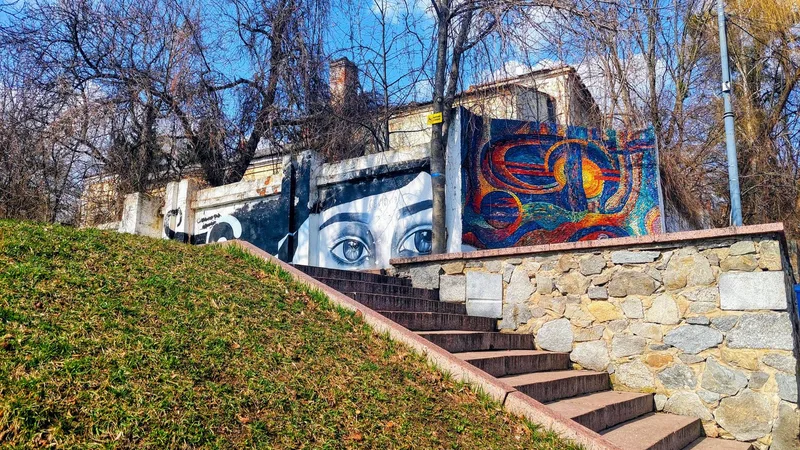
Street art has increasingly become a defining feature of urban environments worldwide. It serves as a form of expression and a catalyst for revitalizing neighborhoods, attracting both residents and…
The Role of Street Art in Community Identity
Street art serves as a medium for expressing the unique identity of urban communities. It captures the history, culture, and values of a neighborhood, often reflecting the stories of its residents and their experiences. Through murals, graffiti, and other forms of artistic expression, street art provides a visual narrative that connects people to their surroundings. This connection fosters a sense of belonging and pride, reinforcing that art can be a vital part of community identity
Defining Local Culture
Street art encapsulates the essence of local culture, often drawing inspiration from historical events, social movements, and the diverse backgrounds of community members. Artists utilize public spaces to communicate messages that resonate with the local population, making art accessible to many. This form of expression showcases artistic talent and serves as a catalyst for dialogue about community issues. As a result, street art becomes a living document of a community's evolution, helping to define its cultural identity.
Fostering Pride and Ownership
The presence of street art can enhance local pride and ownership among residents. When community members see their stories and experiences represented in public art, it fosters a sense of connection to their environment. This pride can lead to increased engagement in community initiatives and a collective effort to maintain and promote local culture. The vibrant visuals of street art often become symbols of identity that unite residents, reinforcing their commitment to the community and its values.
Economic Revitalization through Street Art
Street art has emerged as a driver of economic revitalization in urban areas, attracting tourists and local visitors. By transforming neglected spaces into vibrant canvases, street art initiatives can breathe new life into communities. This revitalization often leads to increased business activity as visitors come to see the artistic displays. The economic impact can be significant, positioning street art as a component of urban development strategies.
Attracting Tourists
The allure of street art can be a magnet for tourists, drawing them to neighborhoods that showcase these creative expressions. Cities known for their street art often see an increase in tourism, with visitors eager to explore murals and installations. This influx of tourists boosts local businesses, such as cafes and shops, and creates opportunities for guided tours and events centered around street art. Communities can harness the economic potential of street art to support local growth and sustainability.
Creating Job Opportunities
Street art initiatives can lead to job opportunities, both directly and indirectly. Local artists may find work through commissioned murals, community projects, and art festivals. Additionally, these initiatives often require support staff, including project managers, event coordinators, and marketing professionals. By fostering a vibrant street art scene, communities can stimulate local economies and provide valuable employment opportunities, contributing to a more sustainable urban environment.
Community Engagement and Participation
Street art serves as a medium for community engagement, fostering a sense of belonging and ownership among local residents. When artists collaborate with community members, the artworks often reflect the unique culture and history of that area, making them more meaningful. This collaboration can also lead to initiatives that address local issues, creating a dialogue between artists and residents. Engaging the community enriches the art itself and strengthens the bonds among those who live in urban environments.
Public Involvement in Art Projects
Public involvement is crucial in the success of street art projects. When artists invite local residents to participate, they cultivate a sense of pride and connection to the artwork. This collaborative process can include brainstorming sessions, design workshops, and hands-on painting days. Allowing the community to play an active role makes the final piece a collective expression, highlighting the shared values and aspirations of the neighborhood.
Workshops and Education
Street art often serves as a catalyst for educational opportunities within urban communities. Workshops led by experienced artists can teach valuable skills such as painting techniques and creative expression for those interested in pursuing art professionally. These programs empower participants and help demystify the art world, making it more accessible. Educational initiatives can inspire younger generations to engage with their surroundings creatively, fostering a culture of innovation and artistic exploration.
Challenges Facing Street Art Initiatives
Despite the benefits of street art, various challenges can hinder its growth and acceptance within urban communities. Legal and regulatory issues often arise, as many cities impose strict policies regarding public art installations. As artists navigate these complexities, they must balance their creative intentions with the requirements set by local authorities. Understanding these challenges is essential for fostering a supportive environment for street art that can thrive alongside other community initiatives.
Legal and Regulatory Issues
Legal and regulatory issues play a significant role in shaping street art. Many cities impose restrictions on where and how artists can create public artworks, often viewing it through the lens of vandalism instead of cultural expression. Artists must be aware of local laws to avoid penalties and ensure their work is legally sanctioned. This often leads to tension between creative freedom and the legal frameworks governing public spaces, making it crucial for artists to engage in dialogue with policymakers.
Conservation of Artworks
The conservation of street art presents another challenge for communities. Unlike traditional artworks housed in galleries, street art is exposed to the elements and can deteriorate over time. Maintaining the integrity of these pieces often requires funding and the support of local governments or organizations. Developing a preservation plan for street art protects cultural heritage and enhances the urban landscape, contributing to a vibrant community identity that can intersect with gaming and entertainment, such as themed casino spaces that celebrate local artistry.
Street Art and Social Commentary
Street art has evolved into a medium that reflects and critiques the socio-political landscape of urban communities. Artists often use public spaces to voice their perspectives on pressing local issues, such as inequality, gentrification, and systemic injustice. This form of expression sparks conversations and engages the community in a dialogue about the challenges they face. Through vibrant murals and thought-provoking installations, street art can serve as a catalyst for change and awareness.
Addressing Local Issues
Street artists frequently respond to their surroundings, addressing the unique issues that affect their communities. For example, a mural depicting the struggles of marginalized populations can highlight the need for social justice, while art showcasing cultural heritage can foster pride and solidarity. These visual commentaries invite viewers to reflect on their environment and consider the implications of local policies and societal norms. Artists become storytellers, using their craft to illuminate truths that may otherwise go unnoticed.
Inspiring Change
The impact of street art extends beyond aesthetics; it plays a role in activism and community mobilization. Many artists collaborate with local organizations to amplify their messages and encourage community involvement. For instance, a series of artworks addressing climate change can galvanize residents to participate in environmental initiatives. By transforming public spaces into platforms for activism, street art can inspire collective action and foster unity among community members, ultimately leading to tangible change.
Connecting Street Art to Casino Entertainment
The intersection of street art and casino entertainment showcases how creativity can enhance the gaming experience. Many casinos are integrating street art into their design, creating immersive environments that attract visitors. These artistic collaborations beautify the space and pay homage to local culture, making the casino an integral part of the community. By incorporating street art elements, casinos can appeal to a broader audience, blending entertainment with cultural appreciation.
Artistic Collaborations in Casinos
Casinos have begun to recognize the value of artistic collaborations, commissioning street artists to create unique installations within their venues. These works often reflect local culture, drawing inspiration from the community's history and identity. For example, a casino in Las Vegas may feature murals that celebrate the city's vibrant nightlife and diverse population. Such initiatives attract art enthusiasts and enhance the overall guest experience, merging the thrill of gaming with contemporary art.
The Role of Art in Gaming Spaces
Street art contributes significantly to the atmosphere in casino environments, fostering excitement and engagement among visitors. The bold colors and dynamic designs of street art can transform otherwise sterile gaming spaces into lively, inviting areas. Additionally, these artistic elements stimulate conversation and interaction, encouraging guests to explore the casino and its offerings. By integrating street art into their design, casinos create a unique ambiance that resonates with both local and visiting players, enhancing their overall experience.