Connecting Street Art to Gambling: An Unexpected Fusion
Oliver Hayes ·
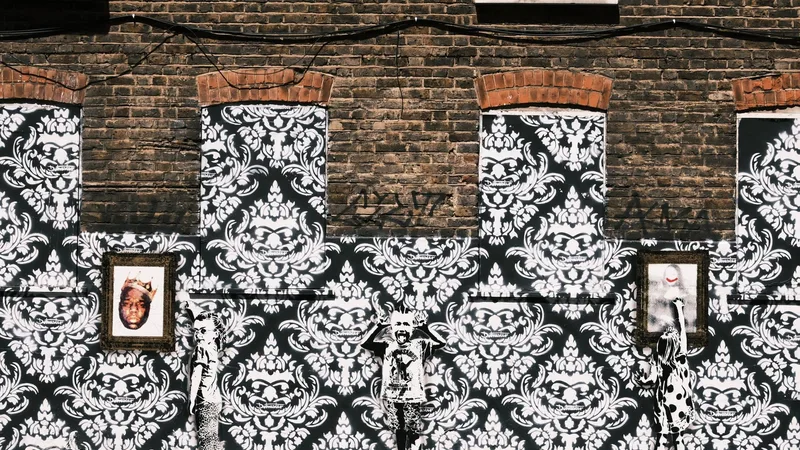
Street art has long been a vibrant expression of urban culture, reflecting the voices and stories of communities worldwide. From colorful murals to intricate graffiti, this art form transforms public…
The Evolution of Street Art in Urban Spaces
Street art has transformed from a rebellious act of expression to a celebrated form of cultural representation within urban environments. Its origins can be traced back to the late 1960s and early 1970s, when graffiti emerged as a voice for marginalized communities in cities like New York. Over the decades, this art form has evolved, incorporating diverse styles and messages that reflect societal issues, making it an integral part of urban identity. Today, street art is not just confined to walls; it encompasses murals, installations, and performances, enriching the cultural fabric of neighborhoods around the world
Historical Context
The roots of street art lie in the need for self-expression and social commentary. Initially, graffiti was often associated with vandalism and youth rebellion, primarily seen on subway trains and walls. As artists like Keith Haring and Jean-Michel Basquiat gained recognition, street art began to receive attention from the mainstream art world. This shift has led to increased legitimacy and appreciation for street art, allowing it to flourish in galleries and exhibitions while maintaining its connection to the streets. The historical journey of street art illustrates its ability to adapt and resonate with changing cultural contexts.
Modern Expressions
Today’s street art reflects a blend of traditional techniques and modern technologies. Artists utilize spray paint, stencils, and paste-ups, while some integrate augmented reality and digital media into their works. This evolution has allowed for greater experimentation and innovation, attracting a wider audience. Social media platforms also play a crucial role, enabling artists to share their creations with global communities instantly. Modern street art continues to challenge norms and provoke thought, making it a dynamic aspect of contemporary urban culture.
Influence of Street Art on Urban Identity
Street art plays a vital role in shaping urban identity by fostering connections among residents and celebrating local culture. As cities evolve, the art created on their streets becomes a visual narrative of the community's history, struggles, and aspirations. Street art not only beautifies public spaces but also serves as a platform for dialogue and engagement, inviting commentary on social and political issues. This connection between art and identity is particularly significant in a world increasingly influenced by globalization.
Community Engagement
Street art has the power to bring communities together, creating a sense of belonging and shared purpose. Collaborative projects often involve local artists and residents, fostering a spirit of unity and pride. Murals and installations can transform neglected spaces into vibrant areas, encouraging people to gather and interact. Through events like art walks and festivals, street art engages citizens and promotes local culture, making it a catalyst for community development and revitalization. The collective efforts often lead to a stronger, more cohesive urban identity.
Cultural Significance
The cultural significance of street art extends beyond aesthetics; it encapsulates the stories and experiences of local communities. Artists frequently draw inspiration from their surroundings, addressing issues such as social justice, identity, and environmental concerns. By highlighting these narratives, street art contributes to a deeper understanding of the urban environment and its inhabitants. As cities embrace their unique identities, street art becomes a crucial element in representing diverse voices, ultimately enriching the cultural landscape and paving the way for new forms of expression.
The Intersection of Art and Entertainment
Street art, with its vibrant colors and compelling narratives, plays a significant role in enhancing public entertainment venues. Urban murals and graffiti transform ordinary spaces into interactive experiences that draw in diverse crowds. These artworks often reflect the cultural pulse of their surroundings, creating a dynamic atmosphere that invites engagement and appreciation. By integrating art into public spaces, cities foster a sense of community and enhance the entertainment experience for residents and visitors alike.
Art in Public Spaces
Public spaces adorned with urban art not only beautify the environment but also serve as gathering points for entertainment. Parks, plazas, and urban centers become canvases for artists, where their work can be appreciated by many. This open-air gallery concept encourages social interaction and provides a backdrop for various events, such as concerts and festivals. As people come together to enjoy these artistic displays, the synergy between art and community entertainment becomes evident, enriching local culture.
The Role of Festivals
Festivals celebrating street art have emerged as significant cultural events that impact local communities. These gatherings often showcase artists from various backgrounds, providing them with a platform to express their creativity and connect with audiences. Events like mural festivals and street art fairs not only highlight the talents of individual artists but also stimulate local economies by attracting tourists and art enthusiasts. As these festivals grow in popularity, they reinforce the connection between art, entertainment, and community identity.
Casino Design Inspired by Urban Art
The influence of street art has begun to permeate the design of modern casinos, creating unique atmospheres that resonate with urban culture. By incorporating elements of street art into their aesthetics, casinos appeal to a younger demographic while reflecting the vibrant spirit of the cities they inhabit. This thematic integration leads to spaces that feel more authentic and engaging, enhancing the overall visitor experience. As the lines between art and entertainment blur, casinos are finding innovative ways to attract guests through creative design.
Thematic Integration
Casinos are increasingly embracing street art themes as a core aspect of their architectural design. This integration can be seen in the use of large-scale murals, graffiti-inspired decor, and installations that celebrate urban culture. Such design choices create an immersive environment that captivates guests and encourages exploration of the space. By blending gaming with artistic expression, these casinos offer a distinctive experience that goes beyond traditional gambling, inviting visitors to appreciate art while enjoying entertainment.
Case Studies
Several casinos have successfully integrated urban culture into their aesthetics, setting a precedent for future developments. For instance, the XYZ Casino features a striking mural by a local street artist in its main lobby, creating a conversation starter for guests. Similarly, the ABC Resort hosts rotating art exhibits that showcase emerging urban artists, making art an integral part of the visitor experience. These case studies illustrate how casinos can embrace street art to enhance their appeal and foster a connection with the local community.
The Impact of iGaming on Urban Culture
The intersection of street art and urban culture with digital platforms is a fascinating evolution in creative expression. As cities embrace the vibrancy of street art, this aesthetic has begun to seep into the world of online gaming. Gamers are now experiencing environments that are not just visually appealing but also culturally resonant. This blending of urban artistry with technology represents a shift in how we engage with both art and gaming, creating a unique dialogue between these two forms of expression.
Digital Representation
Street art's influence on online gaming aesthetics is evident in the vibrant visuals and immersive environments that many games now offer. Artists draw inspiration from urban murals, graffiti, and public installations, incorporating these elements into game design. The result is an engaging interface that captivates players while paying homage to the streets from which it originates. This digital representation enhances the gaming experience, making it feel more connected to real-world urban culture.
Community Building Online
iGaming platforms are increasingly engaging with urban culture through artistic initiatives that foster community. Online spaces often host events that celebrate street art, inviting artists to showcase their work and connect with gamers. These interactions create a sense of belonging among players, as they share a common appreciation for the art and culture that defines their environments. This community-building aspect enriches the iGaming experience, encouraging players to explore the narratives behind the art featured in their favorite games.
Future Trends: Art and Gaming Convergence
As the lines between art and gaming continue to blur, the future holds exciting possibilities for innovative collaborations. Artists and gaming companies are likely to forge partnerships that push the boundaries of both fields, creating experiences that are as engaging as they are visually stunning. This convergence could redefine how audiences interact with both art and gaming, leading to unique projects that resonate on multiple levels. The potential for this fusion to create new forms of entertainment is immense, paving the way for a dynamic cultural exchange.
Innovative Collaborations
Future partnerships between artists and gaming companies are poised to revolutionize the industry. We may see artists contributing original designs for game characters, environments, or entire game concepts that reflect urban culture. These collaborations can bring fresh perspectives to gaming narratives, making them more relatable and culturally relevant. As artists gain recognition in the gaming world, their work can inspire new trends that enhance gameplay and elevate the status of street art within digital spaces.
Redefining Experiences
This fusion of art and gaming has the potential to transform casino entertainment experiences significantly. Imagine a casino that integrates street art into its design, creating a visually stimulating environment that enhances player engagement. With the advent of virtual reality, players could immerse themselves in artistic worlds while participating in traditional casino games. Such innovative approaches could redefine how players interact with gaming, making the casino experience more culturally rich and visually appealing.