Street Art Festivals Worldwide: Celebrating Urban Creativity
Oliver Hayes ·
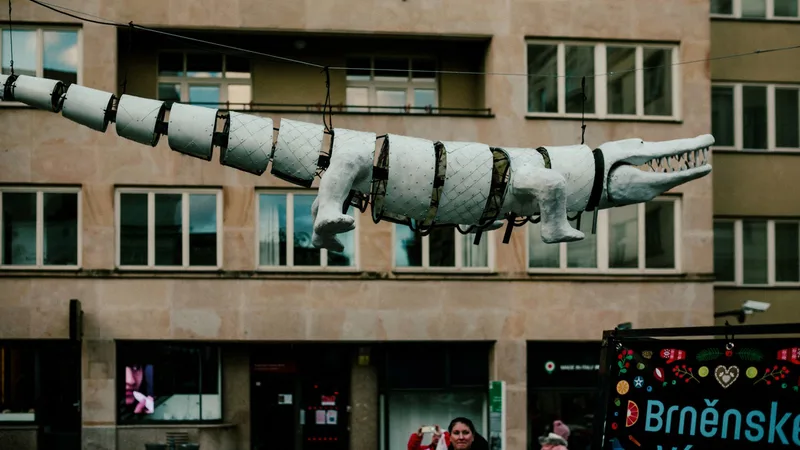
Street art has become a vital expression of urban culture, transforming cityscapes into vibrant galleries that reflect societal issues, personal stories, and artistic innovation. Festivals around the…
The Rise of Street Art Festivals
Street art has transformed from a form of rebellious expression into a celebrated cultural phenomenon, with festivals playing a key role in this evolution. Initially born in urban landscapes as a voice for the marginalized, street art has garnered recognition from art institutions and the general public alike. Over the years, street art festivals have emerged as platforms where artists showcase their talents, engage with communities, and celebrate urban creativity. These festivals highlight artistic innovation and foster a sense of belonging and pride within local communities
Historical Context
The journey of street art began in the late 20th century, primarily as graffiti, which was often misunderstood and stigmatized. As artists began to experiment with styles and mediums, street art evolved into a legitimate art form that conveys social messages and personal narratives. The introduction of festivals marked a turning point, offering artists a dedicated space to create and connect with audiences. These events have expanded the perception of street art, emphasizing its role in cultural dialogue and urban revitalization.
Global Expansion
Street art festivals have proliferated across the globe, showcasing diverse artistic styles and cultural influences. From the vibrant streets of Berlin to the neighborhoods of São Paulo, festivals have become a staple of urban life. Cities have recognized the value of these events in attracting tourism and fostering community engagement, leading to increased support and funding. This global expansion celebrates local talent and invites international artists to collaborate, creating a rich blend of creativity that reflects the unique identity of each location.
Notable Street Art Festivals
Among the many street art festivals worldwide, a few have emerged as particularly significant in shaping the urban art scene. These events are pivotal for both the artists and the communities that host them, often leading to lasting impacts on local culture and economy. By drawing in large crowds, these festivals create opportunities for dialogue and collaboration, enhancing the visibility of street art as a respected form of expression. They also provide a unique backdrop that intersects with other forms of entertainment, including the growing world of iGaming.
Wynwood Walls, Miami
The Wynwood Walls festival in Miami stands out as a transformative event in the street art scene. Established in 2009, it has become a canvas for renowned artists from around the world, turning a once-blighted industrial area into a vibrant art district. The festival showcases large-scale murals and hosts interactive installations and community events, fostering a sense of artistic collaboration. As street art gains prominence, events like Wynwood Walls provide opportunities for cross-promotion with industries such as casino entertainment, where creativity and urban culture intersect.
Upfest, Bristol
Upfest in Bristol is another notable festival that exemplifies community involvement in street art. As Europe's largest street art festival, it invites local and international artists to paint live, allowing spectators to witness the creative process firsthand. This event emphasizes collaboration, with numerous workshops and activities that engage the community, making art accessible to all. The festival enhances the local cultural scene and serves as a potential gateway for the iGaming industry to connect with urban culture, highlighting how creativity can thrive in various forms of entertainment.
Cultural Impact of Street Art
Street art serves as a powerful medium for social commentary, addressing pressing societal issues and community concerns. Artists often use public spaces to voice opinions on topics such as inequality, environmental degradation, and political unrest. This form of expression captures the attention of passersby and invites dialogue within communities. Through vivid imagery and thought-provoking messages, street art becomes a catalyst for change, encouraging viewers to reflect on their surroundings and the world.
Social Commentary
Many street artists tackle significant social issues directly through their work, creating pieces that resonate with local communities. For instance, murals depicting struggles against gentrification or celebrating cultural heritage can be found in urban areas worldwide. These artworks serve as a mirror, reflecting the realities faced by residents and sparking conversations about change. The impact is profound, as these pieces can mobilize communities to advocate for their rights and foster unity among diverse groups.
Community Engagement
Street art festivals play a crucial role in fostering connections between local and global communities. These events bring together artists, residents, and visitors, creating a vibrant atmosphere of collaboration and creativity. By involving various stakeholders, festivals promote a shared sense of ownership over public spaces, encouraging participants to engage with their environment. This communal spirit strengthens local identity and attracts tourism, which can lead to further investment and development within the area.
Street Art and Urban Identity
The identity of cities is shaped by the presence and evolution of street art. Murals and installations can define urban spaces, turning neglected areas into cultural hubs. Artists often draw inspiration from their surroundings, embedding local history and narratives into their works. As these art pieces become landmarks, they contribute to the unique character of cities, making them more recognizable and memorable to both residents and visitors.
Defining Urban Spaces
Street art helps define the character of urban spaces by transforming blank walls into canvases that reflect community identity. Each piece of art tells a story tied to the local culture or history, contributing to the overall aesthetic of the city. This transformation can enhance neighborhood pride, encouraging residents to take an active role in maintaining and celebrating their environment. Such visual narratives create a sense of belonging, making the city feel more personal and inviting.
Tourism and Economy
Street art festivals can significantly enhance the local economy by attracting tourists and art enthusiasts. These events generate revenue through visitor spending on accommodations, dining, and local attractions. The influx of visitors boosts the economy and raises awareness of the cultural significance of street art. As cities leverage their unique art scenes, they create opportunities for local businesses and artisans, further embedding the art community within the economic fabric of urban life.
The Intersection of Street Art and Digital Culture
Street art has transcended its physical boundaries, finding a vibrant space in the digital world. Artists leverage social media platforms to share their creations, connect with audiences, and promote festivals. This digital presence amplifies their reach and creates a sense of community among street art enthusiasts. As street art continues to evolve, the influence of digital culture becomes increasingly evident, shaping how artists interact with their fans and how festivals are organized.
Social Media Influence
Social media plays a pivotal role in the promotion of street art and festivals. Artists utilize platforms like Instagram and TikTok to showcase their work, often gaining followings that translate into real-world engagement. Hashtags and viral challenges contribute to the visibility of street art, turning local installations into global sensations overnight. This digital promotion enhances the festival experience, as art lovers can discover new artists and events through curated feeds and shared content.
Virtual Experiences
The rise of virtual street art events has opened new avenues for engagement and participation. These online experiences allow attendees to explore artworks from around the world without geographical constraints. Virtual reality (VR) and augmented reality (AR) technologies provide immersive ways to appreciate street art, making it accessible to a broader audience. As these virtual events gain popularity, they complement traditional festivals, ensuring that the essence of street art continues to thrive in the digital age.
Connecting Street Art to Casino Entertainment
The intersection of street art and casino entertainment is a notable development in urban culture. Casinos are increasingly recognizing the appeal of street art as a way to enhance their brand identity and atmosphere. By incorporating street art into their design, casinos can create an engaging environment that resonates with visitors. This trend attracts art enthusiasts and enhances the overall experience for all patrons, bridging the gap between creativity and entertainment.
Art in Casino Design
Street art influences casino aesthetics and branding in significant ways. Many casinos have begun to feature murals and installations by renowned street artists, transforming their spaces into vibrant galleries. This artistic approach beautifies the environment and communicates a modern, dynamic image that appeals to a diverse clientele. By integrating street art, casinos can differentiate themselves in a competitive market while celebrating urban creativity.
Cultural Events at Casinos
Casinos are increasingly hosting street art festivals and cultural events to attract visitors. These events create a unique blend of entertainment, art, and community engagement, drawing in a wide range of attendees. By offering live mural painting, workshops, and artist talks, casinos foster a creative atmosphere that enhances their appeal. This strategy enriches the visitor experience and positions casinos as cultural hubs within their communities.