Street Art and Digital Media: A New Era of Expression
Oliver Hayes ·
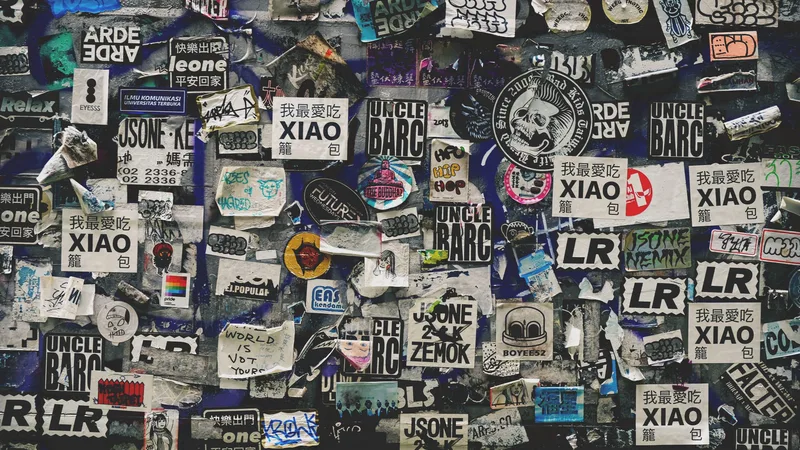
Street art has long been a vibrant form of expression, bringing color and life to urban areas. As cities evolve, so does the conversation around this dynamic art form, particularly with the rise of…
The Evolution of Street Art in the Digital Age
Street art has undergone a significant transformation over the decades, evolving from its rebellious roots into a recognized form of artistic expression. Originally emerging in urban environments as a means of social and political commentary, street art has found its way into the digital realm, where its reach and impact have expanded considerably. This evolution highlights not just a change in medium but also a shift in how art is perceived and consumed by the public. As artists adapt to new technologies, they redefine boundaries and challenge traditional notions of art ownership and accessibility
Historical Context
The origins of street art can be traced back to the late 20th century, with graffiti and murals serving as powerful tools for marginalized voices. As urban areas transformed, so did the techniques and styles employed by artists. The journey into the digital realm began with the advent of photography and later, social media, which allowed artists to document and share their work beyond the confines of the streets. This historical context sets the stage for understanding how street art has transitioned into a multifaceted form of expression that resonates with a broader audience today.
Impact of Technology
Technology has played a pivotal role in reshaping street art, enabling artists to experiment with new forms and mediums. Digital tools allow for the creation of intricate designs and animations that were once unimaginable in traditional street art. The internet also facilitates instant sharing, enabling artworks to go viral and reach audiences across the globe in real-time. This technological impact not only amplifies the visibility of street art but also encourages collaboration among artists, blurring the lines between physical and digital spaces.
Social Media as a Platform for Artists
Social media has changed how artists connect with their audience, offering a dynamic platform for engagement and interaction. Artists can now share their creative processes, receive feedback, and build a community of followers who appreciate their work. This direct line of communication fosters a sense of belonging and support among artists and their fans. The immediacy of social media also allows for real-time responses to current events, making art a relevant commentary on societal issues.
Engagement and Interaction
Through platforms like Instagram, artists engage with their audience in innovative ways, utilizing features such as stories and live sessions to showcase their work and share insights. This interactivity enhances the viewer's experience and creates a dialogue between artists and followers. The ability to comment, share, and repost encourages a collaborative spirit that enriches the street art community. As artists leverage these tools, they cultivate a dedicated following that can influence their career trajectories.
Showcasing Work
Instagram serves as a vital showcase for street artists, allowing them to present their work to a global audience. The platform's visual nature aligns well with the essence of street art, enabling artists to display their creations in a format that captures attention. As followers scroll through their feeds, they encounter a diverse range of styles and messages, making street art more accessible than ever. This visibility not only elevates individual artists but also encourages the exploration of street art as a legitimate form of cultural expression, paralleling how online gaming has transformed entertainment in urban culture.
Community and Collaboration in Urban Spaces
Street art has a way of bringing people together, creating community gatherings that celebrate creativity and local talent. These events often feature live painting sessions, workshops, and discussions that encourage interaction among residents, artists, and visitors. By fostering a sense of belonging, these gatherings help strengthen the fabric of urban culture. They serve as a platform for artistic expression and a means of connecting diverse groups within the community.
Local Gatherings
Local gatherings centered on street art play a crucial role in enhancing community engagement. Events such as mural festivals and block parties invite residents to participate in the artistic process, transforming public spaces into canvases of shared history and identity. These gatherings often showcase the talents of local artists, drawing attention to their stories and styles. The collaborative atmosphere encourages dialogue, allowing people to appreciate the cultural significance of the artwork while enjoying live music, food, and entertainment.
Collaborative Projects
Collaborations between street artists and local organizations highlight the impact of community involvement in urban spaces. Projects often arise from partnerships with schools, non-profits, or city councils, aiming to beautify neighborhoods and promote social messages. For example, a community project may involve artists painting murals that address social issues such as homelessness or environmental conservation. These collaborations enhance the aesthetic appeal of urban environments and instill a sense of pride and ownership among residents, reinforcing their cultural identity.
The Role of Street Art in Cultural Identity
Street art serves as a powerful medium for expressing and preserving cultural identity. Through murals and graffiti, artists tell the stories of their communities, reflecting the unique narratives that shape local experiences. This form of expression provides a voice to marginalized groups, allowing them to share their histories and struggles. In doing so, street art becomes a vital part of the urban landscape, contributing to the cultural dialogue within cities.
Expression of Local Narratives
Street art functions as a canvas for local narratives, capturing the essence of communities through visual storytelling. Artists often draw inspiration from historical events, cultural practices, and everyday life, translating these elements into compelling images. This artistic representation fosters a deeper understanding of the community's identity, inviting viewers to engage with the stories behind the artwork. By highlighting these local narratives, street art enriches the cultural fabric of urban spaces, making them more relatable and meaningful to residents and visitors alike.
Challenging Norms
As a form of social commentary, street art challenges societal norms and provokes thought. Artists use their work to address pressing issues such as inequality, discrimination, and environmental concerns, sparking conversations that might otherwise go unnoticed. This critical engagement with contemporary issues encourages viewers to reflect on their surroundings and question the status quo. In this way, street art beautifies urban environments and acts as a catalyst for change, inspiring communities to take action and foster a more inclusive society.
The Intersection of Street Art and Gaming Culture
Street art has transcended its original context to influence various aspects of modern culture, including digital art and gaming. The vibrant, rebellious spirit of street art resonates with the immersive worlds created in video games, where creativity and expression are paramount. As artists adapt their techniques for the digital canvas, the aesthetic of street art emerges in game design, character creation, and storytelling aspects of gameplay. This synergy between street art and gaming culture invites players to engage with both forms of expression in innovative ways.
Digital Art and Gaming
Street art influences digital art within gaming by introducing unique visual styles and thematic elements that reflect urban culture. Many game developers are incorporating graffiti-inspired aesthetics, using bold colors and dynamic designs that echo the streets. This trend enhances the visual appeal of games and fosters a connection between players and the urban environments depicted. As players explore these digital landscapes, they encounter art that challenges conventional boundaries, making the gaming experience richer and more relatable.
Interactive Installations
Examples of street art in immersive gaming experiences are becoming more prevalent as developers create interactive installations that bring urban art into virtual worlds. These installations often allow players to engage with art in a way that traditional galleries cannot, inviting them to contribute or manipulate the artwork themselves. This level of interactivity fosters a deeper appreciation for street art, as players see firsthand how their actions can transform the environment around them. Such experiences blur the lines between creator and audience, immersing players in a dynamic dialogue with urban culture.
Emerging Trends: Street Art and Casino Entertainment
The fusion of street art and casino entertainment is a growing trend that reflects the evolving nature of both industries. Casinos are increasingly recognizing the value of incorporating urban art into their branding strategies, aiming to attract a younger, more diverse clientele. By embracing this form of expression, casinos enhance their visual identity and create an atmosphere that resonates with contemporary cultural trends. This strategic integration of street art brings a fresh perspective to the traditional casino experience, making it more appealing and relevant to modern audiences.
Gamification of Urban Art
Casinos are incorporating street art into their branding by using murals and installations that reflect urban culture and appeal to patrons. This gamification of urban art allows casinos to create unique environments that stand out in a competitive market. By featuring local artists, casinos foster a sense of community and connection with their guests, further enhancing the entertainment experience. This approach beautifies the space and invites patrons to engage with the art, making it a memorable part of their visit.
Promotional Events
Casino events featuring street artists are becoming popular as a means to attract visitors and create buzz around their brands. These events often include live art demonstrations, interactive workshops, and performances that engage attendees in unique ways. By showcasing street artists, casinos tap into the energy and creativity of urban culture, drawing in a crowd that appreciates artistic expression. These promotional events enhance the casino’s appeal and provide artists with a platform to reach new audiences, fostering a vibrant exchange between art and entertainment.